What Public Worship Is Trying to Make Visible
Sean Feucht on presence, courage, and carrying worship beyond familiar rooms.
From a conversation with Sean Feucht
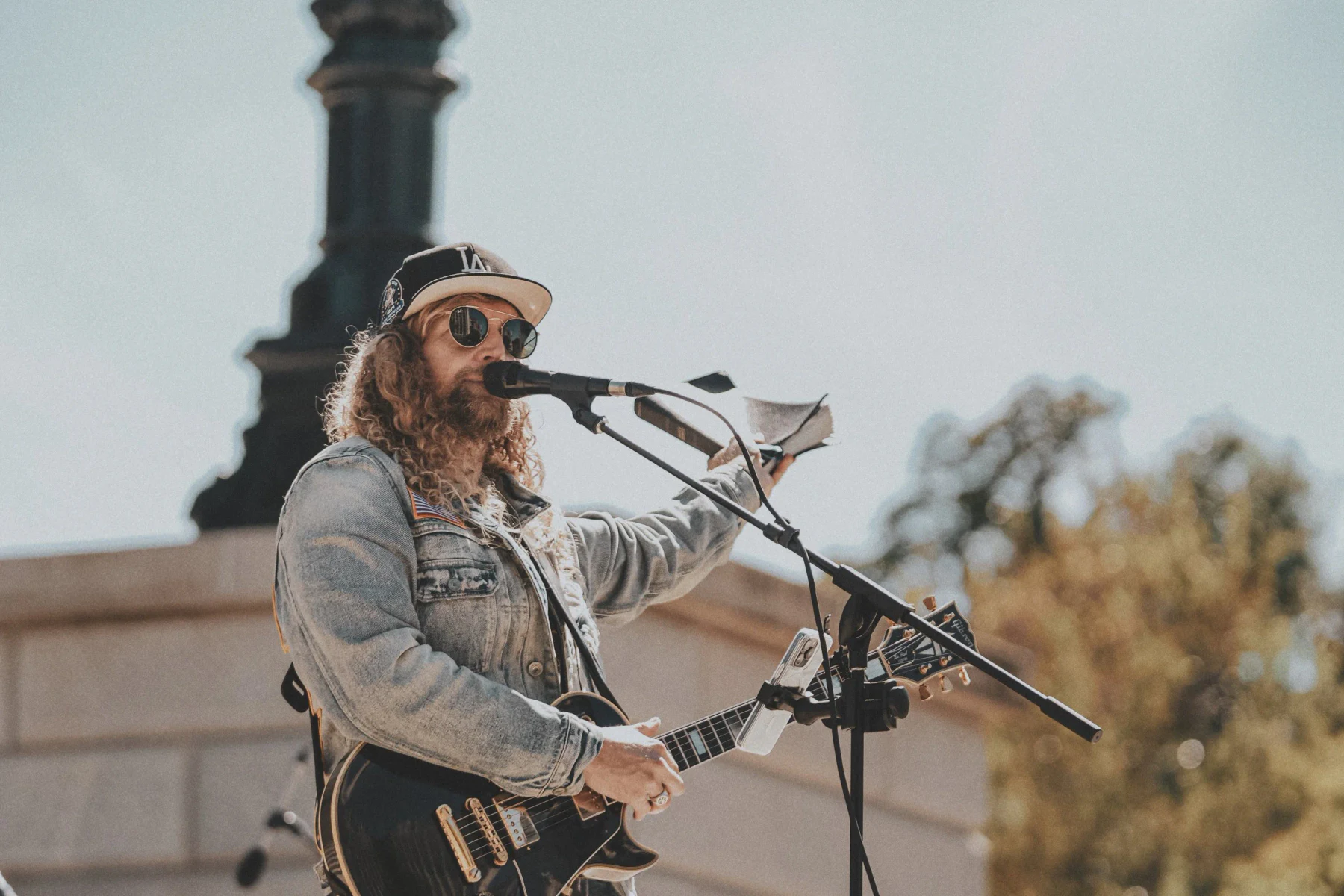
Sean Feucht’s work has taken worship into streets, civic spaces, and places marked by conflict. His Ignite session asks what changes when a practice usually contained inside a church becomes public witness.
When resistance becomes part of the assignment
Public conviction is easy to admire in retrospect. In real time, it looks less polished. The venue changes. Critics arrive. Logistics fail. A promising initiative becomes an operational burden. Sean Feucht’s argument is that leaders should not treat those moments as interruptions to the work. They are often where the work becomes real.
Speaking at Ignite ’23, Feucht drew from Hebrews 10 and the rebuilding story in Nehemiah to challenge leaders who assume difficulty means they chose the wrong assignment. His claim needs an important boundary: opposition does not prove that an idea is wise or a cause is right. Bad decisions attract resistance too. Yet difficulty by itself is not a verdict. Work that enters contested spaces or disrupts familiar patterns should expect friction.
Nehemiah’s response offers Feucht an operating model. The builders did not wait for ridicule, threats, or fatigue to disappear. They continued while making provision for the risks around them. For contemporary leaders, that combination matters. Courage is not ignoring threats. It is building while addressing them responsibly.
The story also highlights the economics of attention. Public platforms allow anyone to question a leader’s motives or demand an explanation. Accountability and transparency remain essential, particularly where money, power, and trust are involved. But not every demand is an honest request for understanding. Leaders must distinguish between criticism that can improve the work and distraction that only prevents it.
Feucht applies the idea to worship gatherings held outside familiar church settings. Streets, beaches, civic spaces, and public landmarks create visibility, but visibility creates its own temptation. Crowds, controversy, and media attention can become substitutes for mission. The sharper question is not whether a public act attracts notice. It is whom that act serves once people are looking.
That question reaches beyond ministry. A company can build a values campaign that generates conversation without changing a customer’s experience. A nonprofit can become known for confronting a problem while devoting too little attention to solving it. A leader can spend so much time defending the mission that the team stops advancing it. Before treating friction as proof of courage, ask three questions: What part of the mission must remain fixed? What evidence or stakeholder concern should change the plan? What is the smallest responsible test that can move the work forward?
The full member edition examines how leaders can build through resistance without becoming defined by conflict, why conviction requires operational discipline, and how to decide which criticism deserves correction, which requires clearer communication, and which should not be allowed to stop the work.
Public expression carries unusual responsibility: the message, the method, and the people affected by it all matter.
Full member edition
Courage is measured by what gets built
Continue with the attention discipline that protects difficult work, the systems that turn conviction into responsible action, and the audit that keeps public visibility from replacing service.
Full Journal access is included with every active membership, Free Community and up.