How Personal Transformation Becomes a System of Hope
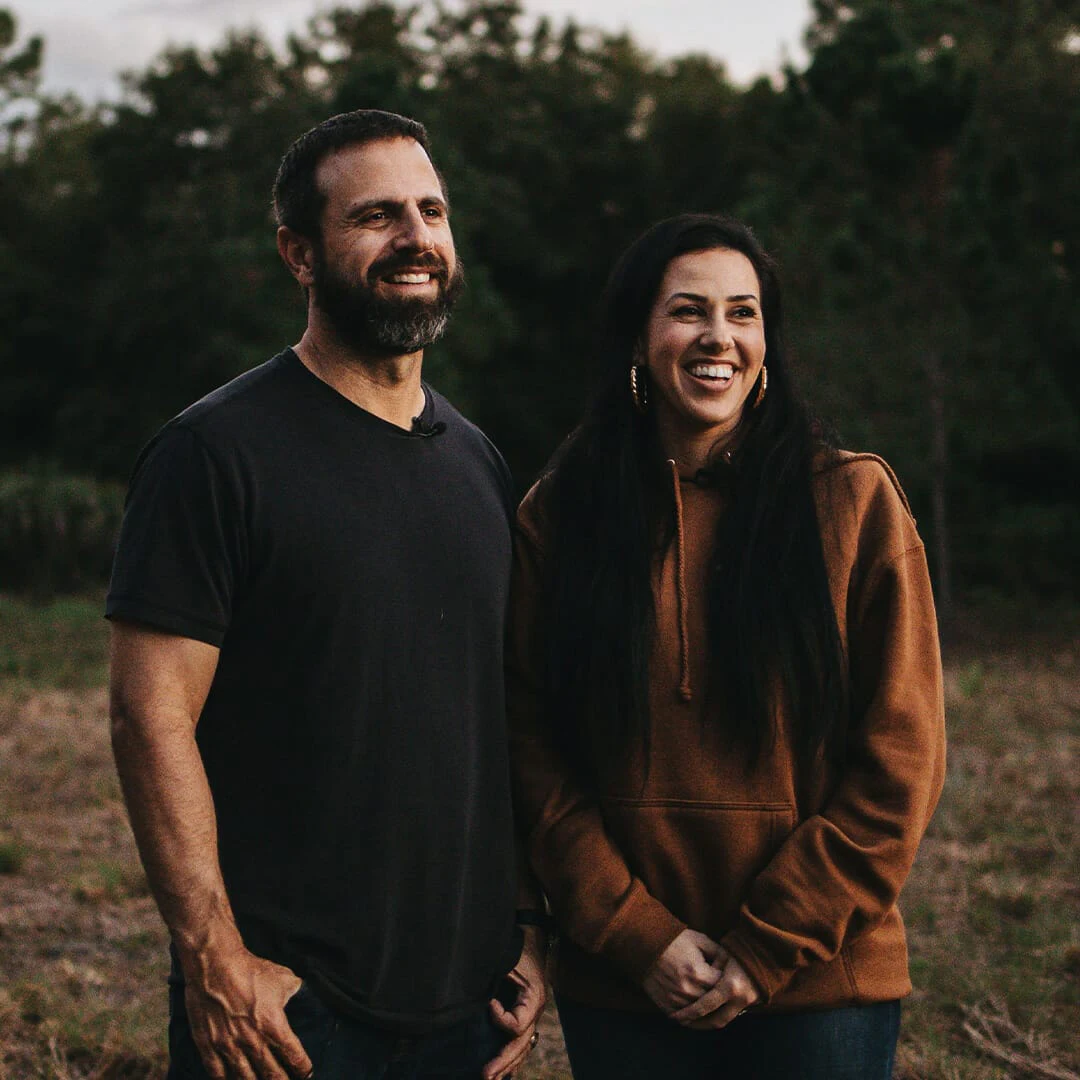
Katie Souza’s story moves from a prison cell to ministry reaching correctional facilities around the world.
From a conversation with Katie Souza

When a ministry encounter seemed incomplete, Katie Souza did not simply repeat the same words more forcefully. She asked another question. That instinct, to look beneath the presenting problem, study until a conviction becomes a framework, and teach others how to carry it, explains how a private transformation can grow into a system of hope.
Turn conviction into a practice others can carry
Katie Souza knows that many listeners will find her ideas unusual. Her response is not to lower the level of conviction. It is to increase the level of explanation. In an Ignite Kingdom Talk conversation, she describes a sequence she uses before ministering to people: teach the scriptural framework, work with the room as a whole, then pay attention to individual cases that may require another question.
That order contains a useful lesson for any leader carrying an unfamiliar idea. Novelty does not excuse vagueness. Before asking people to act, make the reasoning visible. Show the sources, assumptions, and observations that shaped the decision. Separate what is known from what is inferred. When the first response does not work, treat the result as information rather than an invitation to become louder.
Souza describes her own study as cumulative. She starts with one passage, looks for another that might illuminate it, and builds what she calls a line-upon-line foundation. Her conclusions are theological, but the operating rhythm is recognizable: insight, study, application, observation, and revision. Intuition may open an inquiry. It should not be allowed to close one.
Private formation is the next part of the system. Souza resists the idea that a church service or expert teacher can replace sustained personal study and worship. She sees time in God’s presence as preparation for every public responsibility. For a faith-driven founder, the broader point is demanding: the capacity people experience in public is usually built through disciplines they never see.
The final move is multiplication. Souza recounts giving meeting participants responsibility to pray with one another, allowing them to practice, observe, and return for guidance when they reached the edge of their experience. That is apprenticeship rather than spectatorship. A leader begins to scale when instinct becomes a process another person can understand, apply, question, and improve.
The health claims in the conversation require careful boundaries. Souza reports extraordinary healing experiences and interprets trauma, illness, and prayer through her religious framework. The interview does not independently verify those outcomes or establish medical causation. Spiritual support can accompany qualified medical and mental-health care, but it should not replace it, guarantee an outcome, or assign blame when suffering continues.
Souza’s most transferable idea is therefore not a promise of control. It is disciplined attention. Look beyond the first problem. Study deeply enough to explain what you believe. Leave room to revise the first interpretation. Then turn what experience has taught you into a responsible practice someone else can carry.
A transformed life becomes scalable when testimony is joined by disciplined service and repeatable care for others.
Full member edition
Disciplined hope needs more than conviction
Continue with Souza’s approach to diagnostic patience, the private disciplines behind public leadership, the apprenticeship model that makes experience transferable, and the duty of care required when testimony touches health.
Full Journal access is included with every active membership, Free Community and up.