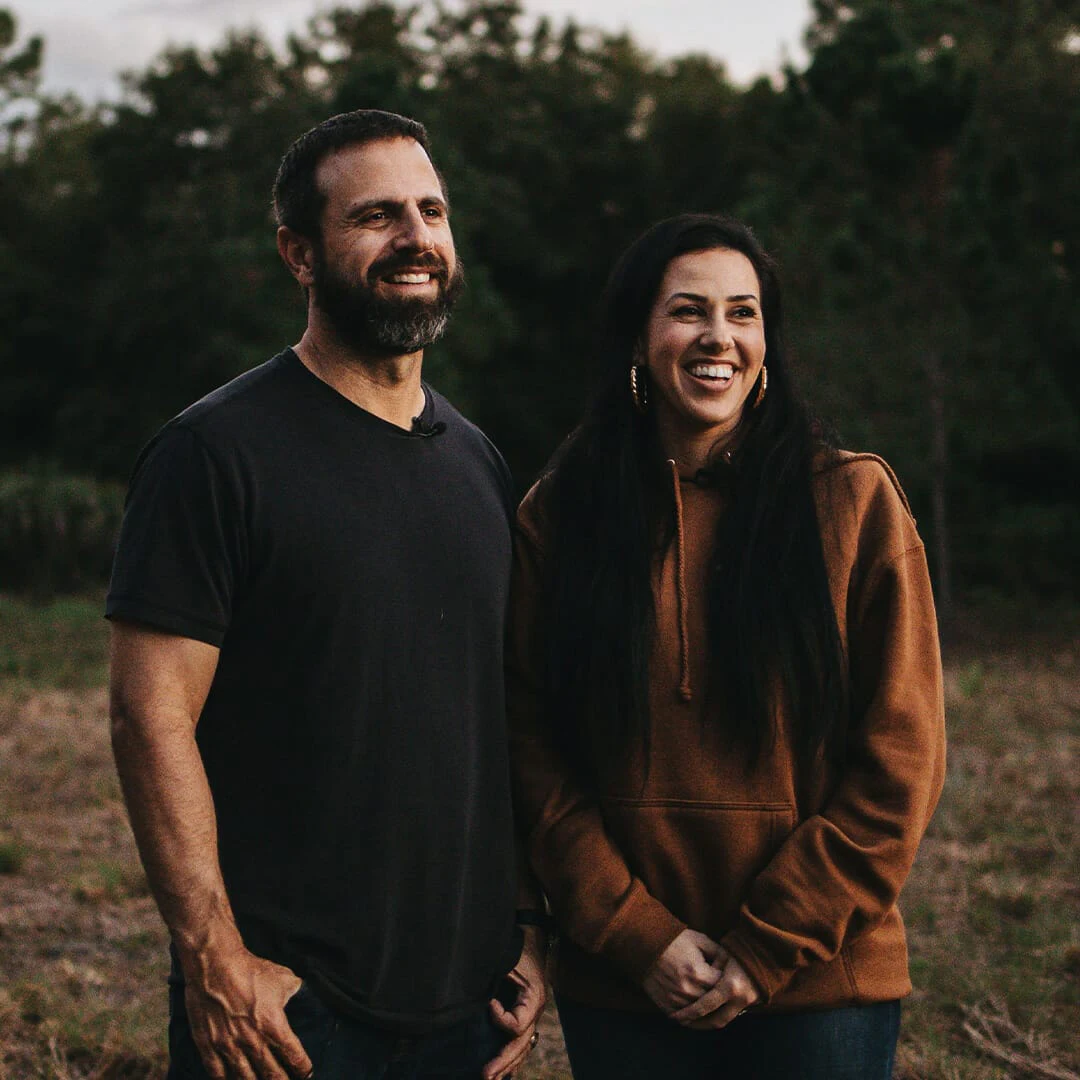
Freedom Is a Stewardship, Not a Spectator Sport
Rick Green’s case for moving from cultural anxiety to informed, responsible action.
From a conversation with Rick Green

Rick Green wants Christian leaders to replace passive frustration with informed participation. His conversation with Ignite frames citizenship as a responsibility requiring historical knowledge, courage, and formation across generations.
The moment after courage
Courage is easy to admire in the abstract. The harder question arrives after the moment of alarm: Do you understand the institution you want to influence, the responsibility you are prepared to carry, and the next action that is actually yours?
For Rick Green, the founder of Patriot Academy and a former Texas legislator, that gap between conviction and competence is where citizenship either becomes useful or remains a spectator activity.
His conversation with Ignite begins in a familiar place: frustration. The headlines feel relentless, the stakes feel high, and withdrawal can begin to look like the only way to preserve a measure of peace. Green does not dismiss that response. He treats it as evidence that a person recognizes something worth protecting.
But anger is a signal, not a strategy.
A leader can spend enormous energy reacting to events while developing none of the capacity needed to shape what happens next. Concern becomes commentary. Conviction becomes repetition. The news cycle sets the agenda, and the leader remains busy without becoming more useful.
Green offers another posture. Convert alarm into an assignment.
That assignment may be closer than national politics suggests. It could be a school board meeting, a neighborhood relationship, a company policy, a conversation with a younger leader, or the difficult question that surfaces across a holiday table. These are not side stages while the real contest happens somewhere else. They are the places where trust, laws, habits, and opportunity become tangible.
The challenge is preparation. Green’s work at Patriot Academy is built around the idea that willingness and capability are not the same thing. Constitution courses supply grounding. Legislative simulations let participants rehearse the mechanics of public decision-making. Young adults receive sustained formation instead of a collection of slogans.
The principle travels directly into business. A leader who praises courage but never teaches employees how to raise a concern has created a slogan, not a culture. A founder who urges civic engagement but cannot explain how a local hearing works has offered motivation without a map. A parent who hopes children will inherit sound principles but never invites them into meaningful responsibility is relying on osmosis.
Green’s sharper challenge is what this kind of preparation costs. Some leaders may need to surrender a portion of comfort, leisure, money, or convenience for a season. Yet sacrifice alone is not the answer. The decisive question is where that investment belongs.
For Ignite members, the full article explores the discipline that connects conviction to consequence, why listening belongs inside courageous speech, and the leadership practice that determines whether the next generation receives principles or merely hears about them.
Freedom remains durable only when ordinary people understand it well enough to practice and protect it.
Full member edition
Conviction is only the beginning.
Log in to continue with Green’s framework for informed action, hard conversations, next-generation formation, and the costly discipline of showing up.
Full Journal access is included with every active membership, Free Community and up.