What Happens When Success Is No Longer the Assignment
Debra Elrod on building a substantial company, surrendering the old definition of purpose, and equipping other entrepreneurs.
From a conversation with Debra Elrod
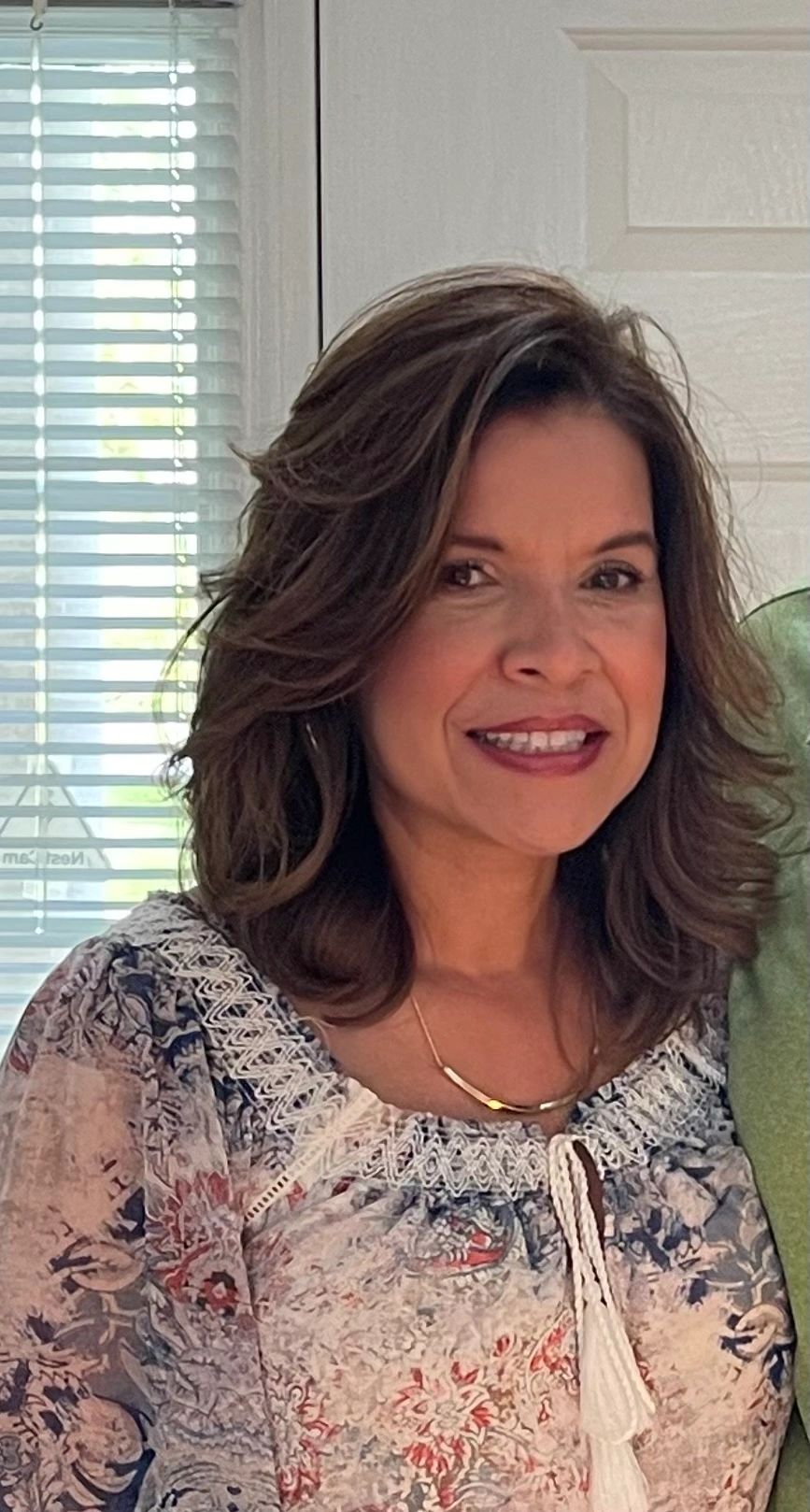
Debra Elrod had already served in the Army, worked as an executive, and grown an automotive manufacturing business. Her next chapter began when those achievements stopped being a sufficient definition of purpose.
When the next milestone is not enough
Debra Elrod was sitting in the great room of her Michigan home, looking across at a marble dining table her family had barely used, when the logic of her success began to unravel. Her automotive business was growing. Money was not an immediate concern. From the outside, the family looked complete. Still, she was thinking about a larger house.
The problem was not that Elrod had failed. It was that achievement had stopped answering the question beneath her ambition. She imagined the next milestones: a $10 million company, then perhaps a $100 million or billion-dollar enterprise. She also began to suspect that reaching them would return her to the same room with the same unease. "Don't let me get to the end of my life having accumulated all this wealth and missing out on what life is really about," she remembers praying.
Elrod had already developed the skills the market rewards. After serving in the Army and earning a business administration degree, she entered automotive manufacturing sales. She says she became a million-dollar producer within 10 months, then built a company of her own over 19 years. Her official biography lists her Army service, business degree, and more than three decades in automotive manufacturing, while the production figures remain her account.
Those results proved she could sell, lead, and grow. They could not tell her what the growth was for. Her answer did not arrive through a polished strategic exercise. Elrod describes a spiritual turning point in December 2005 that reorganized her sense of identity and purpose. The years that followed were not a simple upward progression. She says she lost her business, went through a divorce, and endured a seven-year period in which her external circumstances declined even as her faith deepened.
Eventually, her commercial career rose again. Elrod returned to automotive manufacturing and says she became vice president of sales for a global company within five years. The second climb did not merely restore what had been lost. It changed how she understood the value of her experience.
Elrod later relocated to the Nashville area to write and build Narrow Gate Now, an organization that helps entrepreneurs combine biblical formation with practical business disciplines. The organization's official site describes work with corporate leaders, executives, small-business owners, entrepreneurs, and veteran-owned businesses through training, mentoring, discipleship, and planning.
The shift is not a rejection of ambition, profit, or expertise. Elrod still speaks in the language of markets, teams, plans, and growth. What changed is the purpose those tools serve. Her story raises a question for any leader whose résumé is advancing faster than their sense of meaning: What if the capabilities that created your success were never meant to end with you?
Surrender does not discard hard-earned capability; it redirects that capability toward a different measure of fruitfulness.
Full member edition
Success is only the beginning of the assignment.
Continue with Elrod's framework for separating competence from calling, examining the patterns a founder carries into a company, and turning experience, profit, and conviction into practical capacity for others.
Full Journal access is included with every active membership, Free Community and up.