When the Marketplace Becomes the Mission Field
Barry Meguiar measures a successful life by eternal impact, not access or applause.
From a conversation with Barry Meguiar
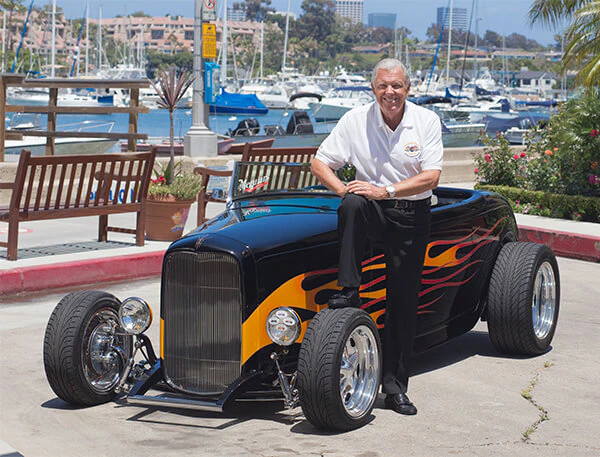
Barry Meguiar spent decades leading the family car-care company that carries his name. In his conversation with Ignite, business experience becomes the setting for a more urgent question: what is influence ultimately for?
The sale was not the only outcome in the room
Long before Meguiar’s became a familiar name in car care, Barry Meguiar spent years trying to persuade major retailers to carry its products. The answer was often no. Buyers controlled access to the shelves he needed, and another rejection could feel like a verdict on the future of the family business.
Meguiar changed the stakes of those meetings. He still prepared to win the account. He listened closely, answered objections, and intended to return with a stronger proposal. But the sale was no longer the only result that mattered. He entered each room asking whether the person across the table might leave the conversation more encouraged, more respected, and more open to God.
That shift gave him an unusual response to rejection. Instead of turning defensive, he thanked buyers for their candor, told them he wanted to earn their respect, and promised to act on what he had heard. Then he left with warmth intact. “My goal was not to sell them car wax,” he told Ignite. “My goal was to move them closer to Jesus.”
For a leader, this is more than a lesson in gracious selling. It is a different theory of influence. Most business systems train people to sort interactions by utility: prospect or distraction, ally or obstacle, win or loss. Meguiar asks leaders to see a person before assigning a commercial value. The customer, employee, vendor, and stranger are not interruptions to the mission. They are already inside it.
Meguiar did not arrive at that conviction through uninterrupted success. Early in his marriage, he and his wife, Karen, were active in church and generous with their time and money, yet exhausted by the effort to prove their faithfulness. Then Meguiar spent an hour beside a public official who spoke about God with striking warmth, laughter, and freedom. The encounter exposed what was missing. Duty had filled their schedule, but joy had left the room.
The couple began practicing a simpler posture: love the person in front of them and speak naturally about the faith behind that love. Within weeks, Meguiar says, joy returned. That joy eventually changed the way he sold, handled conflict, and understood the company itself. Business could be a pulpit without becoming a performance, and faith could shape a meeting without reducing another person to a project.
The harder test came when Meguiar believed he might be forced out of the business that held his life’s work, reputation, and public testimony. What happened in the hours before that decisive conference call reveals the discipline beneath his optimism. The full member edition traces that crisis, an encounter beside a leaking radiator, and the daily practice that turned ordinary proximity into purposeful leadership.
You may not be able to reach everyone, but you can faithfully love and serve the people already inside your world.
Full member edition
What holds when the business itself is at risk?
Continue with the crisis that tested the faith Meguiar practiced in sales meetings, the parking-lot encounter that clarified what influence is for, and the daily discipline beneath his optimism.
Full Journal access is included with every active membership, Free Community and up.