Stop Treating Faith as a Department
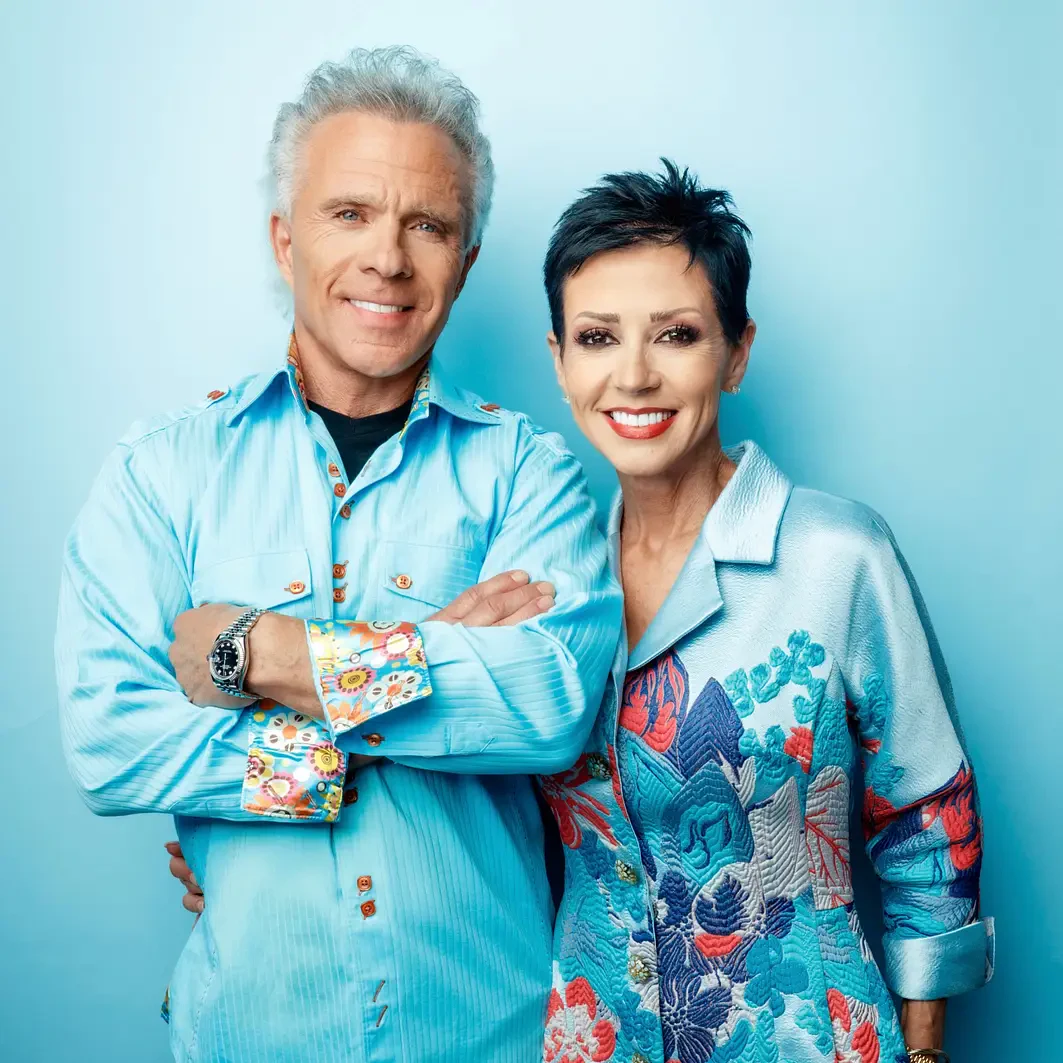
Peter Demos rebuilt his approach to business after realizing conviction could not remain outside the operating model.
From a conversation with Peter Demos

Peter Demos inherited a restaurant legacy, but his encounter with faith forced a more personal kind of succession: deciding whether the business would merely carry a family name or reflect a transformed way of leading.
The business had to change with him
Before Peter Demos became known for bringing faith into the workplace, he actively kept it out. Demos says he grew up in a Christian home but remained antagonistic toward Christianity. As the operator of his family’s restaurant business, he even disciplined employees who wrote “God bless you” on customer checks. Faith belonged elsewhere. The company had its own way of working.
Then the owner changed. After a reluctant visit to hear South African evangelist Angus Buchan, Demos spent several days trying to reason through what becoming a Christian would require. Exhausted and alone in a hotel room, he reached the end of the argument. “God, you win,” he remembers saying. “I’ll turn everything over to you.” For Demos, everything included the business.
That created an operating problem as much as a spiritual one. The company had spent roughly two decades working one way. If Demos’s convictions were real, they could not remain a private belief attached to an unchanged organization. They had to influence how he led employees, served customers, handled fear, and defined responsibility. The question was no longer whether he believed, but whether anyone working beside him could see what that belief required.
Demos now treats ordinary interactions as opportunities to make faith visible. When a customer shares a hardship, he says he may respond with prayer. His ambition is not to make the action look extraordinary. He wants care, prayer, and honest expressions of belief to become normal parts of life rather than performances reserved for religious settings.
The harder test arrives when conviction appears costly. Business leaders can quickly identify what they fear losing: revenue, customers, reputation, or a relationship. Demos proposes a more revealing sentence. Replace “I’m afraid I might lose my business” with “I don’t trust God to take care of my business.” The rewrite exposes the belief beneath the forecast. It does not erase a leader’s duty to employees, customers, or sound judgment. It does reveal when the language of caution is protecting control.
This is the challenge at the center of Demos’s story. Integration is not achieved by adding religious language to a company. It begins when the same convictions govern the decisions a leader would rather protect from them. A value becomes part of the operating model only when it is allowed to affect risk, money, people, and reputation. Members can continue with Demos’s conversion story, his practices for attention and formation, and a practical audit for finding the compartments that remain.
Values become operational only when they are allowed to affect decisions involving risk, people, money, and reputation.
Full member edition
Conviction becomes credible when it reaches the decisions a leader wants to protect.
Continue with Demos’s conversion story, his approach to fear and formation, the attention practices behind his leadership, and a practical audit for finding the compartments that remain.
Full Journal access is included with every active membership, Free Community and up.