Being Overlooked Is Not the Same as Being Without Purpose
Bridgette Cameron Ridenour on early rejection, a family crisis, and learning to treat waiting as preparation rather than proof that her opportunity had passed.
From a conversation with Bridgette Cameron Ridenour
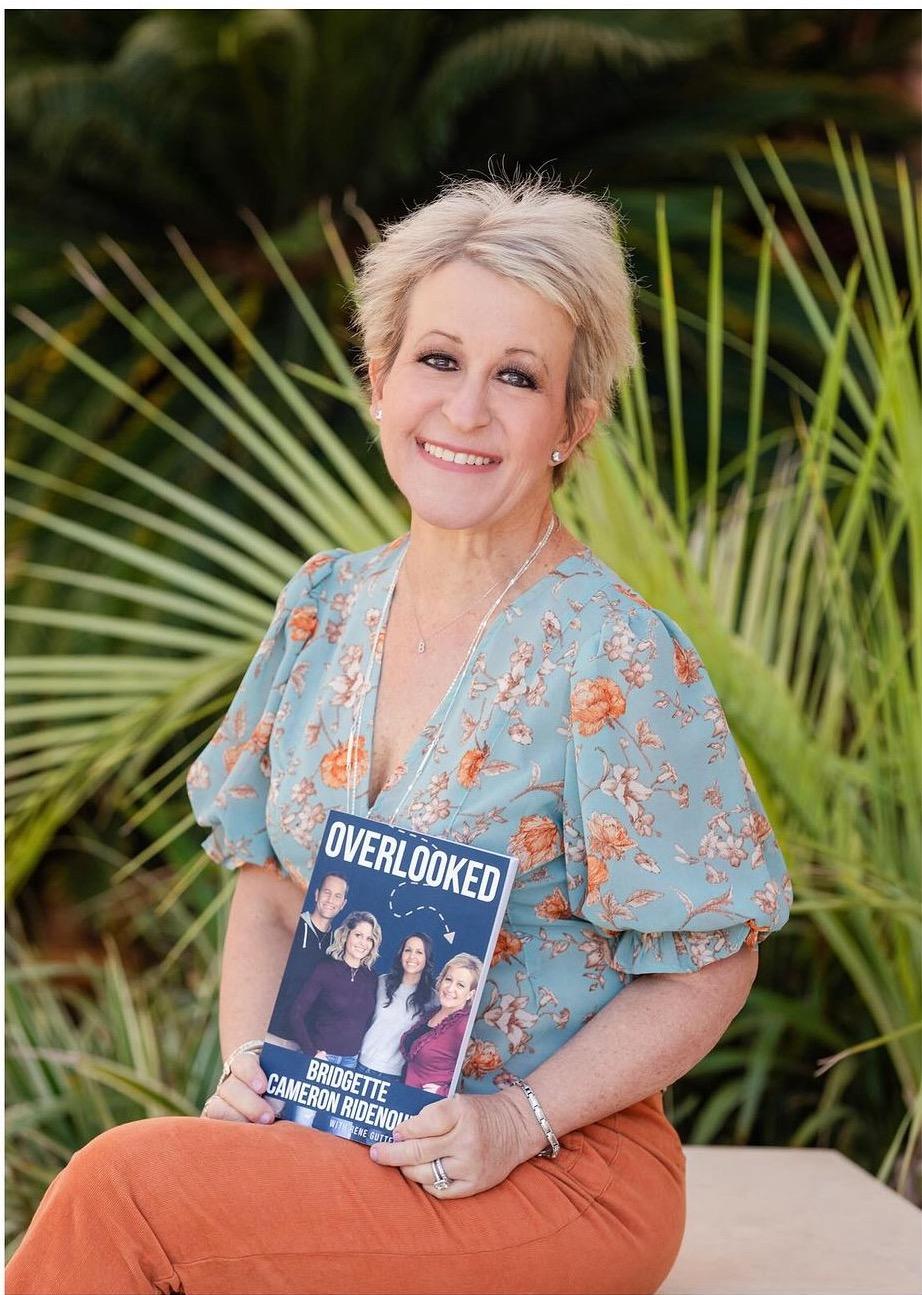
The trip to a Hollywood agent was supposed to be Bridgette Cameron Ridenour's opening. She was the child who wanted to perform, the actress and dancer whose ambition finally persuaded her mother to bring the Cameron siblings to audition. Every sibling was chosen except her. The person who had pushed the family toward Hollywood was left watching other people receive the opportunities she had imagined for herself.
The audition was her idea. Everyone else was chosen.
The trip to a Hollywood agent was supposed to be Bridgette Cameron Ridenour's opening. She was the child who wanted to perform, the actress and dancer whose ambition finally persuaded her mother to bring the Cameron siblings to audition.
Every sibling was chosen except her.
That reversal would be difficult in any family. In Ridenour's, it became unusually visible. Her brother Kirk went on to play Mike Seaver in Growing Pains, and her sister Candace became D.J. Tanner on Full House. The person who had pushed the family toward Hollywood was now watching other people receive the opportunities she had imagined for herself.
"All of my siblings got chosen except me," Ridenour recalls. "I was the one that was told, 'No, not today.'"
A single rejection can become a verdict when the success of people nearby keeps reinforcing it. Ridenour began asking a question that reaches well beyond entertainment: "God, did you overlook me? Did you forget about me?"
She continued to audition when she was able. Some opportunities seemed so well matched that she told her family she was certain she had landed them. Encouraging feedback from casting directors and choreographers only made the eventual rejection harder to interpret.
"I still was not chosen," she says. "It was like, I don't know what I need to do. I don't know why this is not happening."
As the career she imagined failed to materialize, Ridenour married and raised three children. For a time, she assumed the window for her own opportunity had closed. Looking back, she describes those years differently. They were not an empty interval between ambition and achievement. They were years spent building a marriage, forming a family, and bringing her children up in faith.
"If God had blessed me with the desires of my heart back then and gave me all the opportunities that I wanted, for me personally, I think I might have missed out on the most important moments of my life," she says.
That conclusion is more demanding than familiar advice about balance. It asks leaders to consider whether a good opportunity may carry the wrong cost for a particular season. It also challenges the assumption that career visibility is the only credible form of progress.
In Ridenour's telling, a violent 2015 crash during a dust storm forced her to reconsider the meaning of the delay. She, her husband, and their three children survived. At a motel afterward, one passage of Scripture reframed the question she had carried for years.
The resulting insight would eventually become a speaking message and a memoir. It begins with an idea every leader who has been passed over needs to examine: visibility and purpose are not synonyms.
A hidden season can be preparation, even when it feels like evidence that someone else's life is moving forward.
Full member edition
A hidden season can still be doing visible work inside you.
Continue with Ridenour's account of family, survival, waiting, and the practical sequence that turned lived experience into a message other people asked her to carry.
Full Journal access is included with every active membership, Free Community and up.