
Influence Grows When the Message Gets Simpler
Michael Q. Pink on transformation, testimony, and stewarding the work only you can do.
From a conversation with Michael Q. Pink
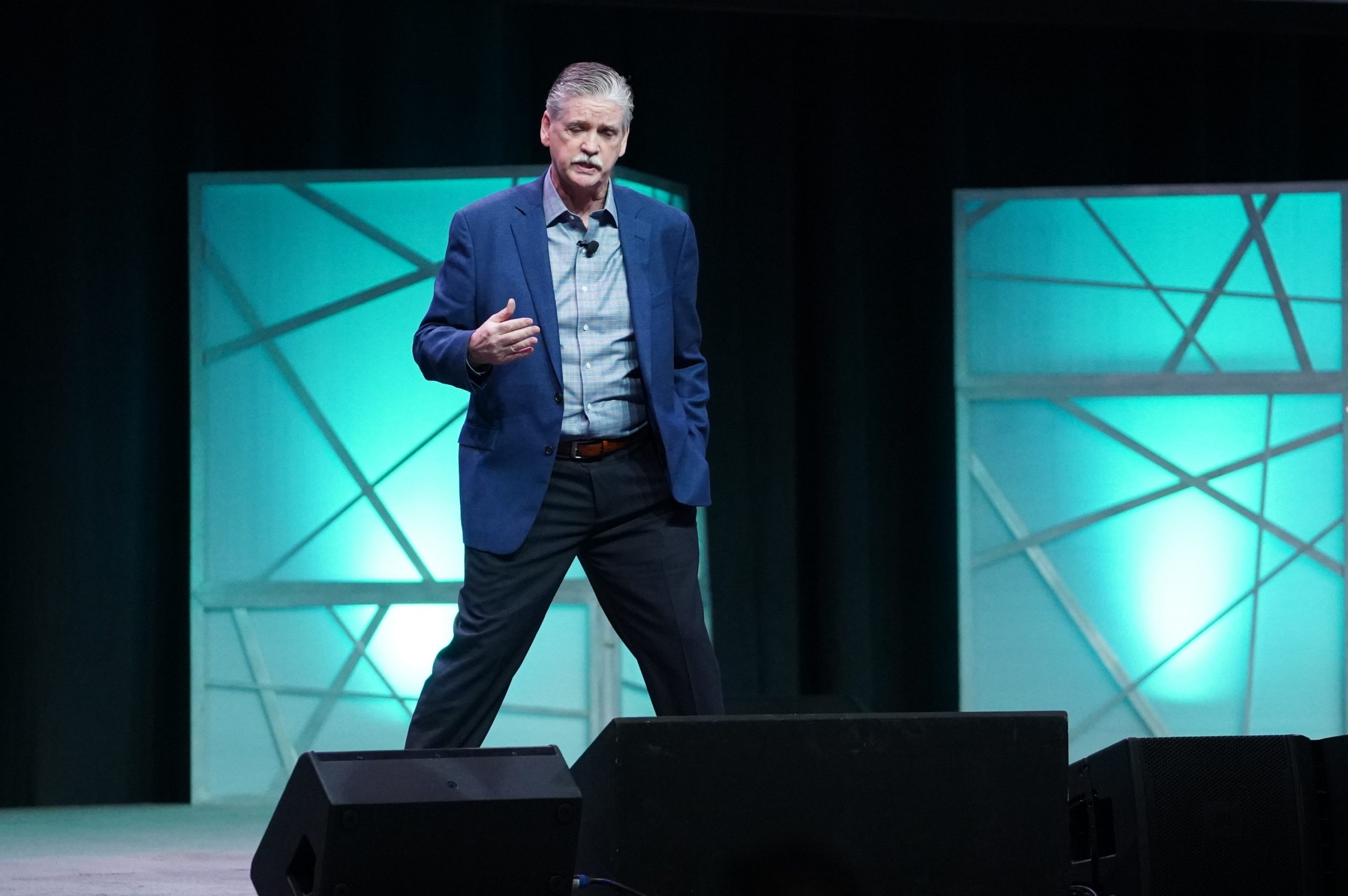
Michael Q. Pink once answered a rejected sales proposal with a picture of an apple tree. The prospect had heard the mechanics of the offer. The picture finally let him see its value.
Make your message easy to carry
Michael Q. Pink once transformed a rejected sales proposal with a picture of an apple tree.
His company had offered a one-day training engagement to a business producing about $7 million in annual revenue. The prospect declined. Pink returned with a larger proposal and a simple visual.
Imagine, he said, that the company’s existing revenue was seven million apples beneath a tree. His team would help gather those apples without taking a bite. Only after the company crossed that baseline would his firm share in the gain.
The client signed, according to Pink.
For Pink, the lesson was not merely that stories sell. It was that an idea gains influence when another person can understand it, remember it, and repeat it. “If they cannot repeat it, they cannot spread it,” he says.
Leaders frequently make their message harder to carry than it needs to be. They know the inner workings of their product, organization, or calling, so they communicate from inside that expertise. Customers hear technical specifications. The leader assumes they hear value.
Pink finds a different communication model in the parables of Jesus. Profound ideas were placed inside familiar scenes: farming, fishing, family relationships, lost sheep, and hidden treasure. The stories were accessible without being shallow.
Simplicity, then, is not dumbing down an idea. It is opening the idea to other people.
Pink suggests testing a core message on someone outside the industry. Can that person explain what the business does after hearing it once? Can they say why it matters? Would they remember it tomorrow?
If not, the answer is not necessarily a shorter slogan. It may require finding the human result beneath the technical description.
A logistics provider may move products, but its deeper value could be removing operational anxiety from an owner’s day. A technology platform may combine tools, but the meaningful result could be giving a scattered community one coherent place to gather.
The strongest message connects mechanism to change.
That principle leads to a larger distinction in Pink’s framework: the difference between transaction and transformation. A transaction records what was purchased. Transformation asks what became better.
Leaders can begin by mapping the customer’s journey. What frustration defines the before state? What would relief, success, or freedom look like afterward? What steps must the customer complete to get there? Where will they need support beyond the sale?
Those questions expose whether an offer merely describes features or credibly guides someone toward an outcome. They also create the raw material for trustworthy testimony. A customer who can name a specific before and after gives future buyers something more valuable than generic praise. The story makes change visible.
The full member edition explores Pink’s complete framework for building influence, including how to turn transformation into credible social proof and why saying no to the wrong opportunities can protect the work that matters most.
Durable influence compounds when simple truth creates transformation that other people can recognize and share.
Full member edition
Clarity opens the door. Transformation earns the story.
Continue with the operating disciplines behind Pink’s framework: designing for a real before and after, turning specific results into credible testimony, and protecting the work through selective focus.
Full Journal access is included with every active membership, Free Community and up.