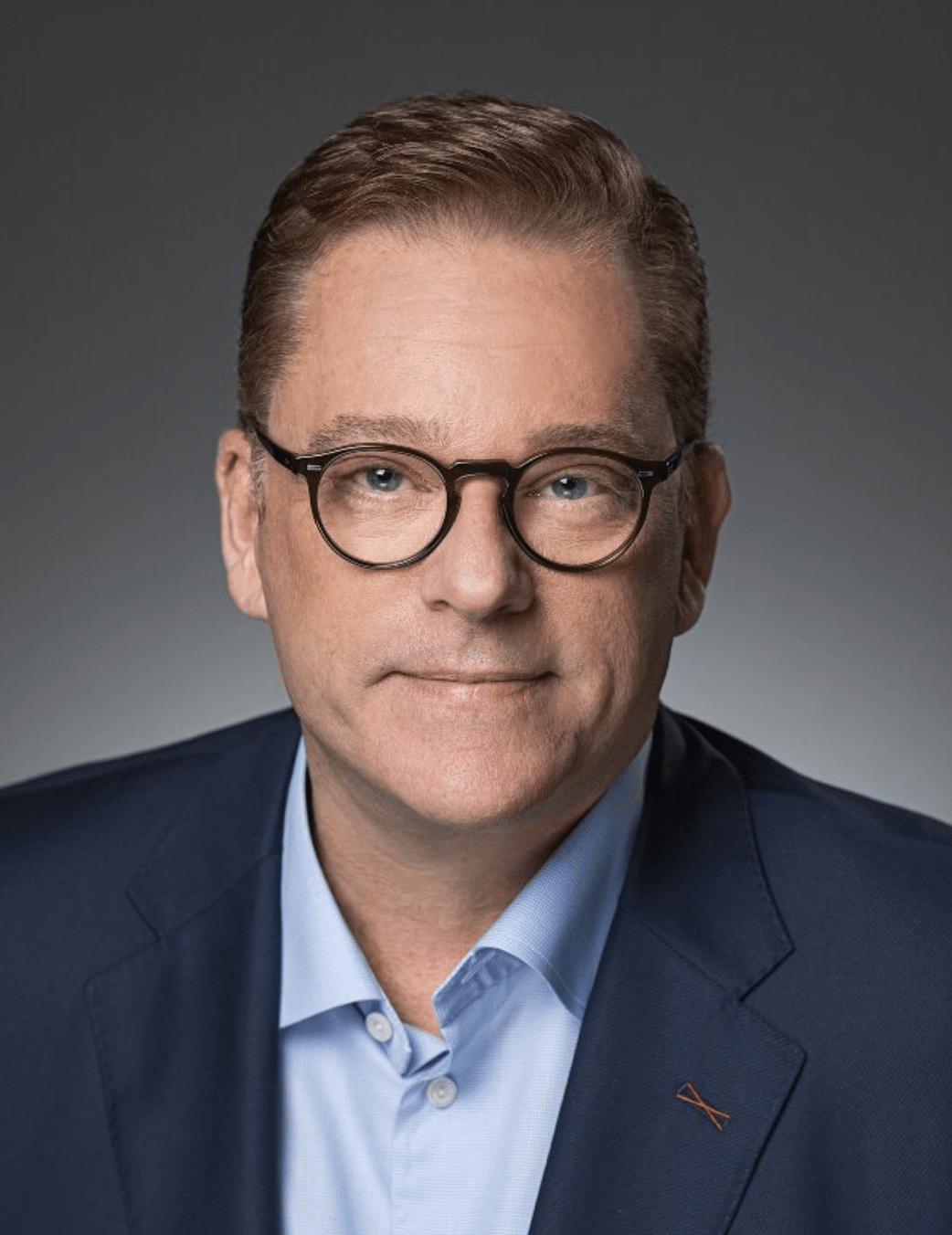
Movements Endure When Leaders Build Institutions
Kevin Jessip on moving between business, ministry, and global networks to fund and sustain consequential work.
From a conversation with Kevin Jessip
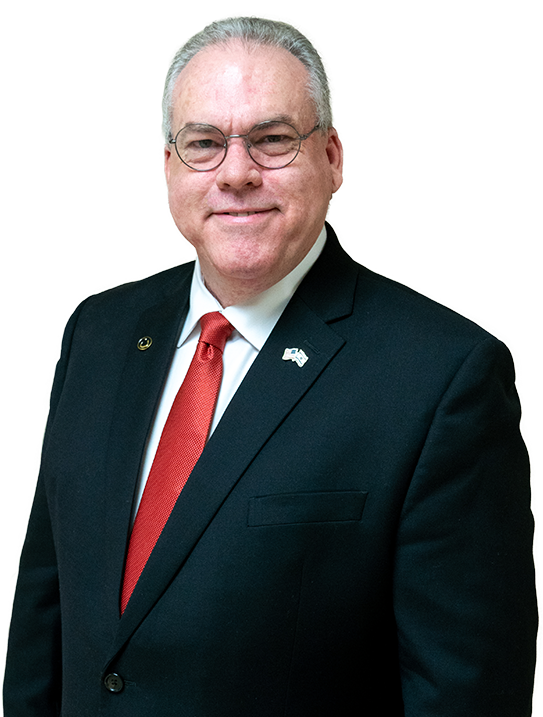
Kevin Jessip’s career crosses executive leadership, faith-based outreach, organizational development, and global advising. The connecting thread is an ability to turn conviction into institutions capable of carrying work beyond a single event.
The work begins before anyone sees a wall rise
Kevin Jessip’s career has crossed ministry, corporate leadership, civic engagement, and faith-based organizing. Across those settings, he has returned to a practical leadership question: How does a compelling vision become work that can outlast a gathering, a crisis, or its founding leader?
Jessip finds a model in the biblical story of Nehemiah. After learning that Jerusalem’s wall remained broken and its gates burned, Nehemiah did not begin with a public campaign. The text shows him mourning and praying, seeking the king’s authorization and resources, inspecting the damage at night, and only then asking the community to rebuild. For Jessip, that sequence matters. Concern must become disciplined attention before it becomes a program.
The next step is distributed responsibility. Nehemiah 3 describes priests, craftspeople, officials, families, and residents repairing distinct portions of the wall. A movement that depends on one charismatic figure remains fragile. A durable institution gives people a clear portion of the work and shows how their contribution connects to the whole. The leader’s job is not to perform every task, but to make direction, responsibility, and cooperation legible.
Jessip applies the same principle to civic work. In West Palm Beach, he says, he spent three years listening to people across law enforcement, schools, local government, and churches before helping convene a broader initiative. Sometimes that investment looked as ordinary as bringing lunch, asking what leaders were facing, and praying with those who welcomed it. The visible event came after the quiet work of trust. “This is not transactional,” he says. “Everything we do is relational.”
That approach treats fragmentation as a central leadership problem. Communities may already contain much of the knowledge, authority, generosity, and credibility they need. What they often lack is relational infrastructure: trusted connections that let institutions understand one another, define a shared problem, and cooperate without surrendering their proper roles.
Jessip also points to the economic conflict in Nehemiah 5. Rebuilding the wall was not enough. When families said debt and interest were costing them their fields, vineyards, homes, and even their children’s freedom, Nehemiah confronted the nobles, called for restitution, and declined the governor’s food allowance because the burden on the people was already heavy. Governance, funding, and operating systems reveal who an institution is designed to serve.
Visible moments can focus attention, but the work that follows determines whether energy becomes impact. Lasting leadership is built through clear purpose, patient relationships, shared ownership, accountable stewardship, and a refusal to transfer every burden downward. Vision may start the movement. Institutions help it endure.
A movement becomes durable when vision is joined to governance, funding, relationships, and operational continuity.
Full member edition
Vision needs an operating structure
Members can continue for Jessip’s framework on disciplined attention, distributed ownership, relational infrastructure, stewardship, and the practices that help a movement survive its founding moment.
Full Journal access is included with every active membership, Free Community and up.