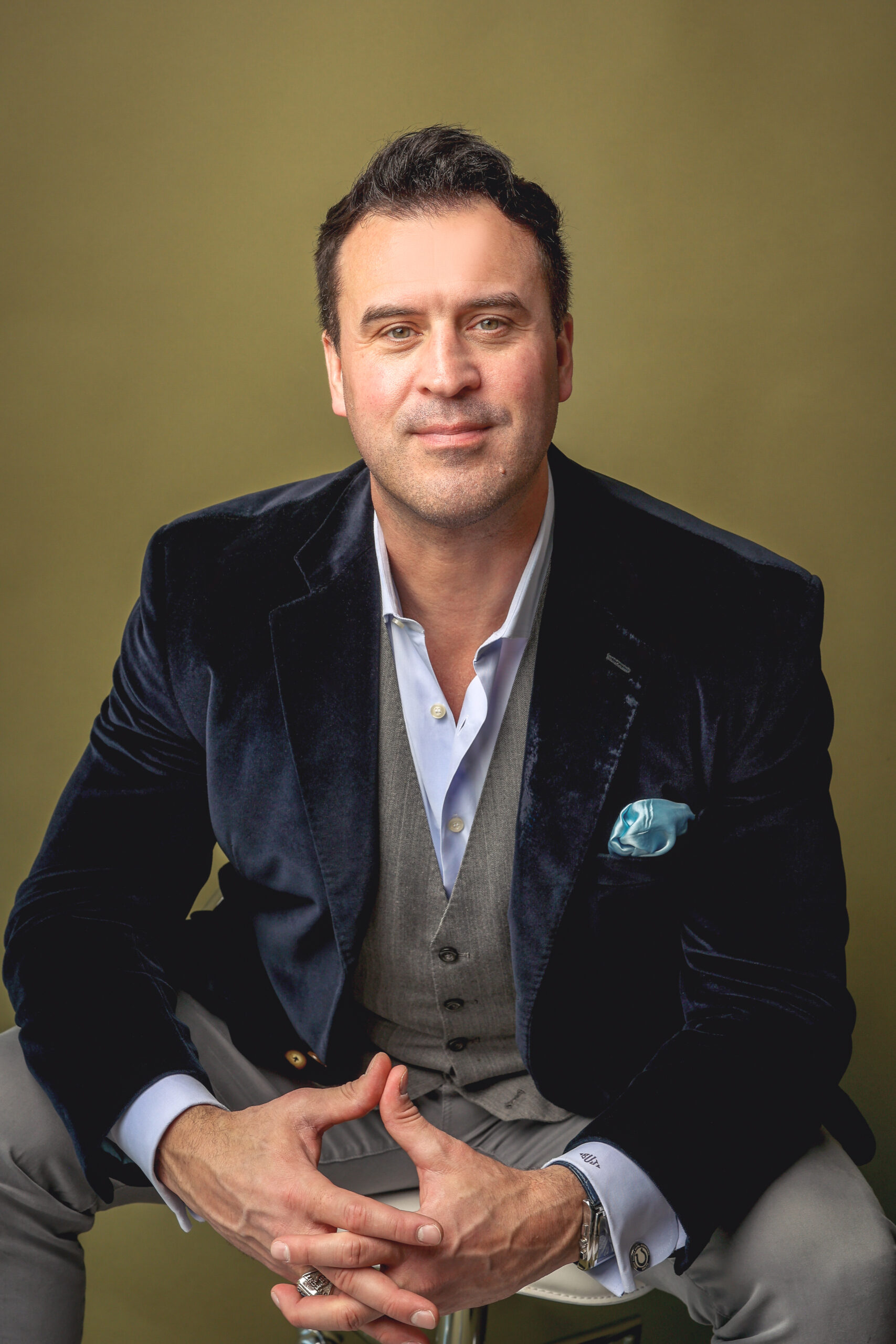
A Transition Is Not a Failure of Momentum
Jorge Tarajano on injury, succession, employee ownership, and learning to receive a redirected assignment.
From a conversation with Jorge Tarajano
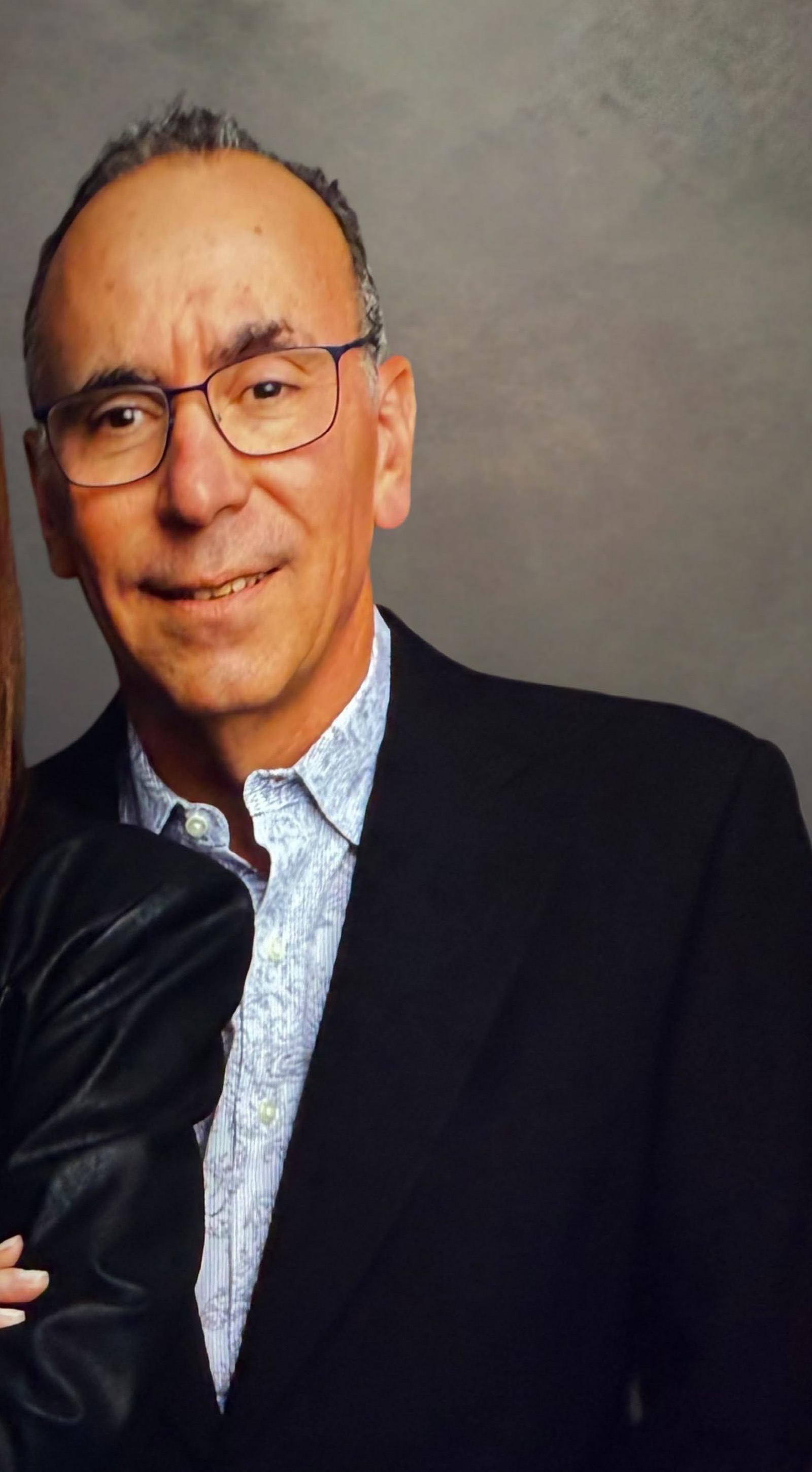
In the late 2000s, Jorge Tarajano and his family faced the kind of offer that can make succession look simple. Buyers were actively seeking industrial contractors, and the family company had attracted serious interest. Yet the conventional exit did not feel right. The people who had built the business were not abstractions on a deal sheet. Some represented second and third generations of the same families. Selling to an outside company might protect the transaction while putting that community at risk. The answer they chose was an employee stock ownership plan. It preserved the company's independence and gave employees a long-term stake in its future. Then the economy turned, debt became heavier, and the elegant succession plan became a severe leadership test. That season, followed years later by a concussion and a move away from the office that had defined his pace, taught Tarajano to reconsider a familiar business virtue. Momentum is not always evidence that a leader is headed in the right direction. Sometimes the responsible move is to stop, listen, and let the role change.
When the role changes, stewardship can continue
In the late 2000s, Jorge Tarajano and his family faced the kind of offer that can make succession look simple. Buyers were actively seeking industrial contractors, and the family company had attracted serious interest. Yet the conventional exit did not feel right. The people who had built the business were not abstractions on a deal sheet. Some represented second and third generations of the same families. Selling to an outside company might protect the transaction while putting that community at risk.
The family chose an employee stock ownership plan, or ESOP. The structure preserved the company's independence and gave employees a long-term stake in its future. Then the economy turned. Debt became heavier, growth assumptions failed, and the elegant succession plan became a severe leadership test.
Employee ownership did not spare the company from hard decisions. Tarajano recalls having to reduce staff even though the people affected had done nothing wrong. The experience punctured any romantic idea that choosing a values-driven structure guarantees an easy path. A company can make a principled decision and still enter a punishing season. The test is whether its leaders remain accountable for the way they respond.
Years later, a different interruption forced Tarajano to examine the pace of his own life. In 2014, he sustained a concussion after hitting his head on a floor. He spent roughly three months away from work and discovered that he did not miss the constant pressure. Even so, the transition unfolded slowly. He kept working full time, moved to Nashville, remained involved with the company, worked in real estate, and consulted with leaders on succession.
That gradual change is part of what makes his account useful. High performers rarely move from compulsion to rest in one clean decision. They release one responsibility and add another. They surrender an operating title while preserving the identity of the person who must always be needed.
Tarajano's life today is not idle. He remains involved at church, supports a community for Christian business leaders, develops music with his wife, spends time with family, and stays open to consulting. The difference is his relationship to opportunity. If a door opens, he can consider it. If it does not, he no longer treats the absence of work as an emergency.
That posture reframes rest as a leadership discipline. Rest is not an empty calendar or the abandonment of ambition. It is the freedom to stop manufacturing momentum long enough to recognize that the assignment may be changing.
The company transition and the personal transition share the same demand. Both required Tarajano to release a narrow form of control. The ESOP widened the circle of people who could participate in the company's future. Rest widened the definition of where he could contribute.
For leaders approaching succession, the essential question may not be whether they still have the capacity to carry the old role. It may be whether continuing to carry it prevents other people, and the leader himself, from entering what comes next.
Rest can be an active leadership discipline when it creates room to recognize the assignment that is changing.
Full member edition
What changes when a leader stops treating motion as proof of purpose?
Continue with Tarajano's full account of choosing employee ownership, leading through the downturn that followed, ordering company values under pressure, and learning to release a role without erasing the work that came before it.
Full Journal access is included with every active membership, Free Community and up.