The Stories That Teach People How to Be Brave
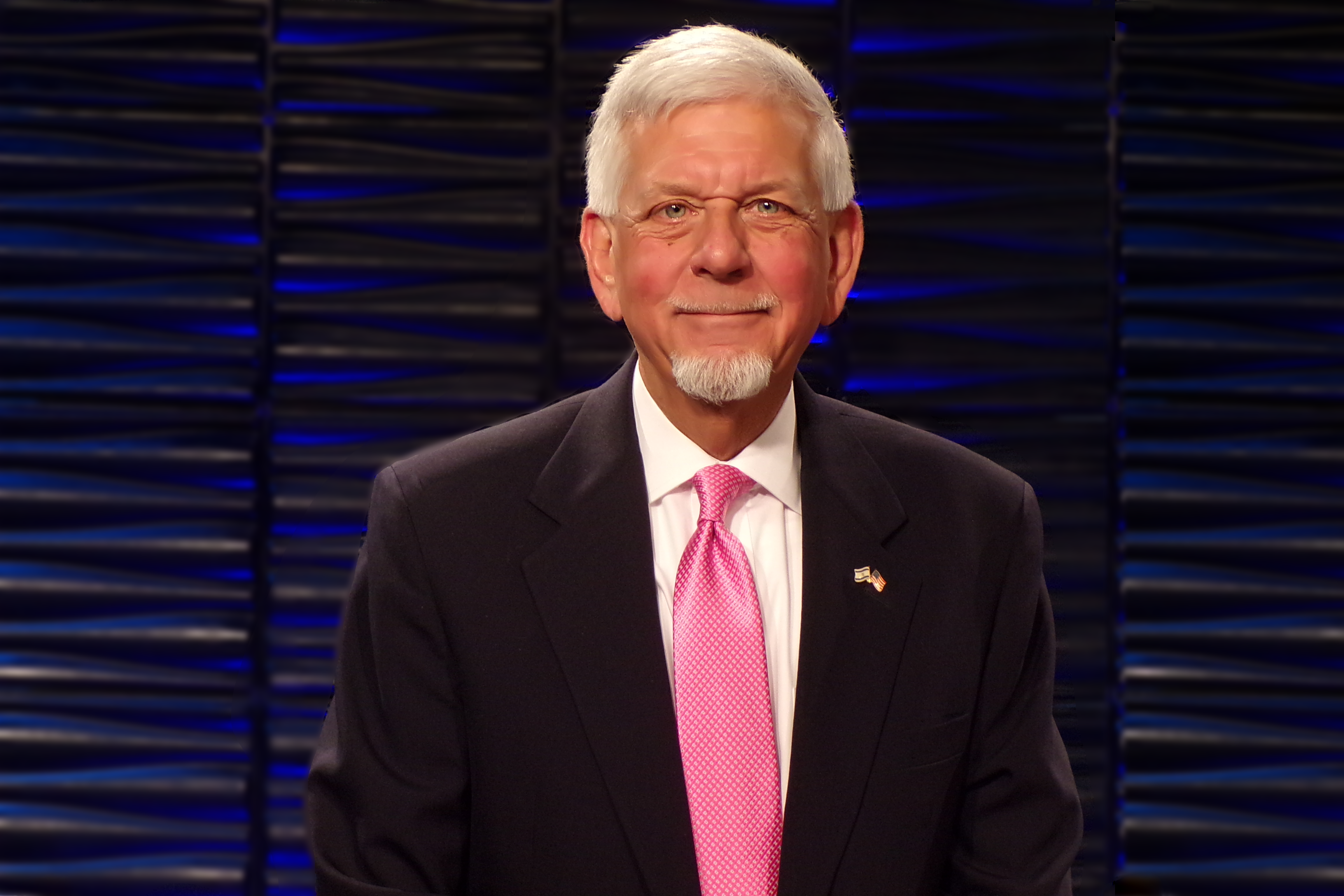
John Grooters on persecution, filmmaking, and why courageous leadership is formed before the moment of decision.
From a conversation with John Grooters
How much suffering must a filmmaker show before forgiveness carries weight, and when does witness become spectacle? John Grooters faced that question while making Tortured for Christ, the story of Romanian pastor Richard Wurmbrand. The answer shaped more than a film. It became a study in how stories prepare people to act when courage becomes costly.
Courage is built before anyone needs to see it
John Grooters knew that a film about persecution could fail in two directions. Show every brutality described in Richard Wurmbrand's prison account, and the suffering could become spectacle. Hide the violence, and viewers might never understand what his forgiveness cost.
That tension shaped Tortured for Christ, the film Grooters co-wrote and directed about the Romanian pastor's years in communist prisons. "If we don't show any of that," Grooters says, "the ability to love in the name of Christ in return loses some of its power." His task was to make the stakes visible without allowing cruelty to consume the story.
The production filmed in Romania with Romanian actors and used locations connected to the history, including a prison where Wurmbrand had been held. For Grooters, authenticity was not simply a visual advantage. It was a responsibility to the real people whose choices the film represented. Conviction would be more persuasive, he believed, if the filmmakers resisted exaggeration and trusted the truth of the story.
One scene reveals why that truth still carries force. Grooters recounts that Wurmbrand continued praying in isolation even when a jailer punished him for it. After repeated beatings, the jailer demanded to know what he could possibly have left to pray for. Wurmbrand answered, "I was praying for you."
The power of that response lies in what came before it. Wurmbrand had practiced turning to Scripture and prayer before the crisis arrived. Courage was not an emotion he discovered on command. It had been formed through repeated attention to truth.
Grooters sees the same pattern in the partnership between Richard and Sabina Wurmbrand. Before Richard publicly challenged religious leaders accommodating communist control, he warned his wife, "If I speak, you will have no husband." Sabina's reported reply, dramatized in the film, was, "I don't need a coward for a husband." They understood the cost together.
Their exchange complicates the solitary hero story. Responsible courage considers the people who will bear the consequences. It is strengthened by relationships in which someone can name both the danger and the conviction the moment requires.
For leaders, the implication is immediate. A crisis rarely provides enough time to invent a moral framework. People return to what their organizations have already rehearsed through ordinary choices, incentives, language, and example. The stories a leader preserves become part of that preparation.
The best stories do more than celebrate bravery. They help people imagine the choices through which bravery is built.
Courage is rarely improvised in the decisive moment. It is formed through the truths, habits, and stories a person has practiced beforehand.
Full member edition
The decisive moment begins long before the decision.
Continue with the complete feature on Grooters' approach to truthful filmmaking, the relational cost of courage, and the stories every organization is teaching its people to inhabit.
Full Journal access is included with every active membership, Free Community and up.