What It Means to Invest With Conviction
Evan Liberman on connecting financial stewardship with a place, a people, and a long-term purpose.
From a conversation with Evan Liberman
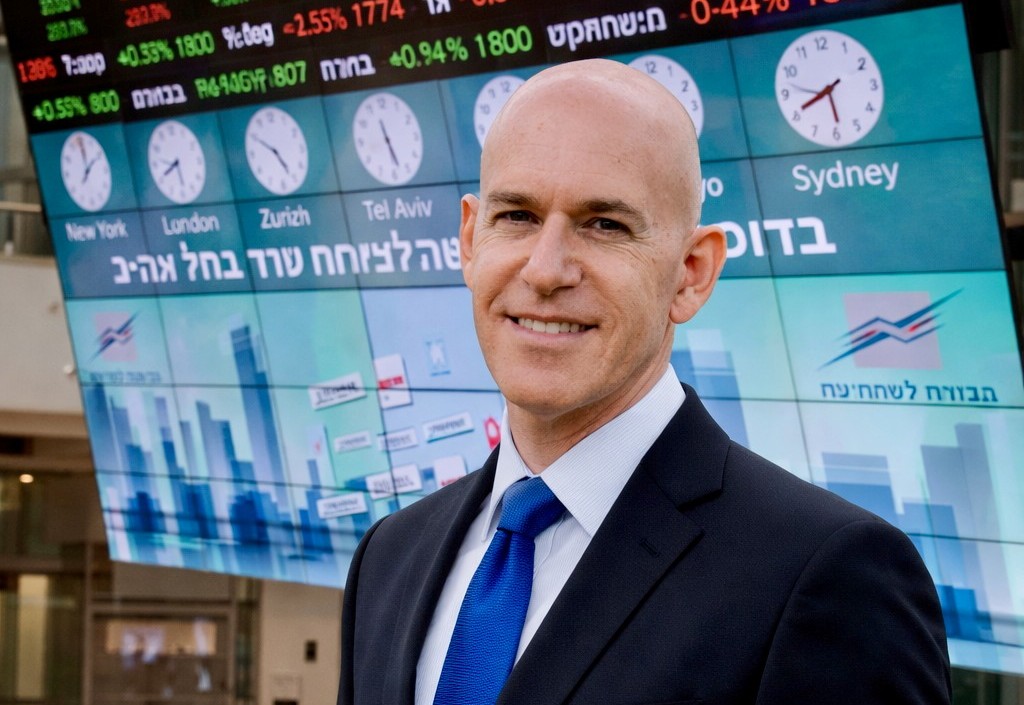
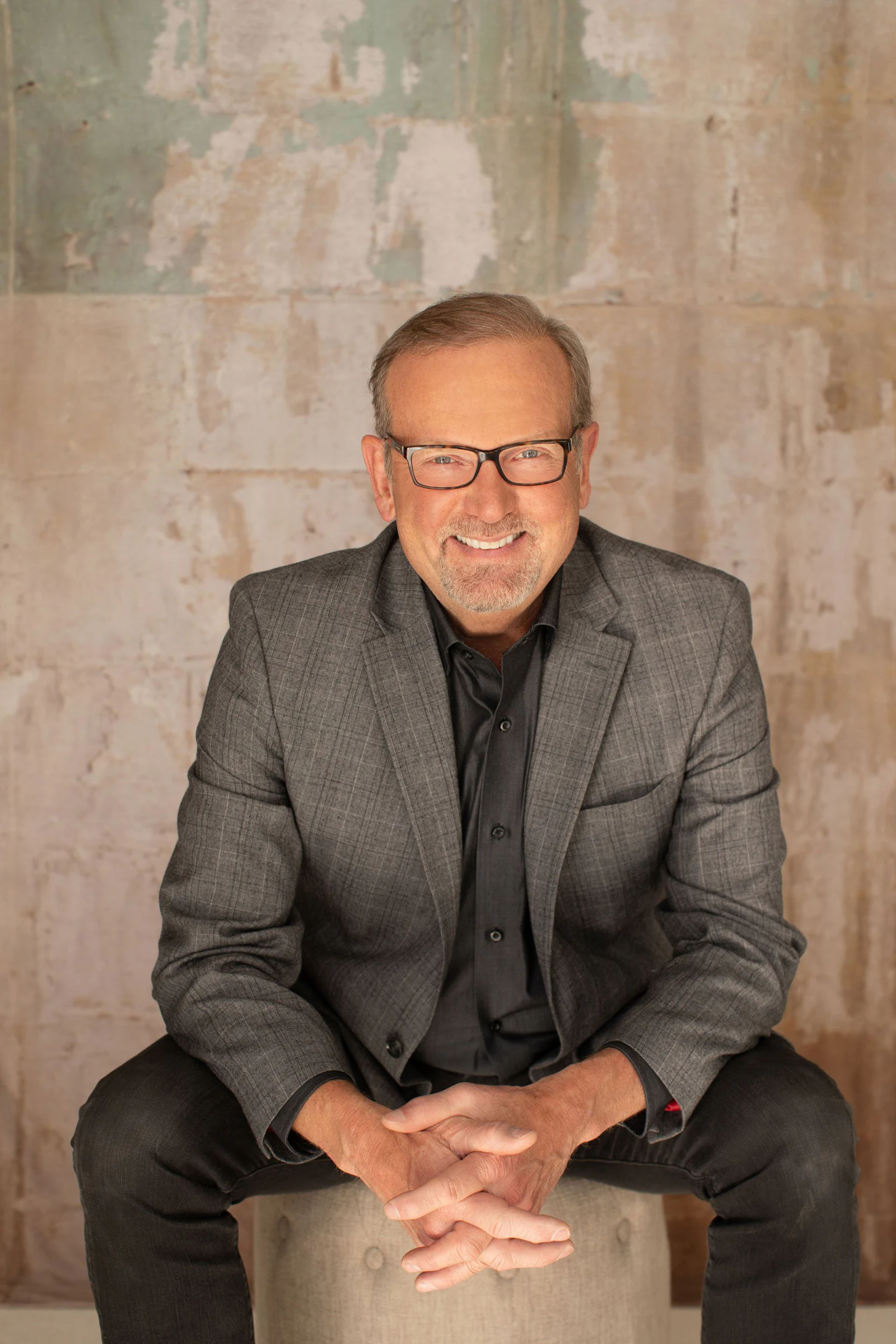
Investment decisions are often presented as neutral calculations. Evan Liberman’s work with Wise Money Israel begins from a different premise: capital also expresses attention, allegiance, and a theory about the future.
The question behind the allocation
For Evan Liberman, investing begins with a question that rarely appears on a brokerage questionnaire: What is this money for?
Liberman grew up in the United States in a Jewish family that embraced faith in Jesus while retaining its Jewish culture, holidays, and identity. Around age 20, he decided his future belonged in Israel. The move required him to exchange familiarity for calling, including the humbling work of learning a new language and culture.
More than three decades later, Liberman is an American-Israeli dual citizen and the founder of Wise Money Israel, a firm he says he established to connect people who care about Israel with its economy. His argument for values-aligned investing is rooted in faith, but its most useful lesson is broadly applicable: conviction should lengthen an investor’s horizon, not shorten it.
Liberman finds that lesson in the biblical parable of the talents. Two servants put entrusted resources to work, while another buries what he has received. He does not read the story as a promise of financial success. He sees it as a lesson in responsibility, patience, and the willingness to act without knowing the outcome.
“It’s not about God looking at the results of your investments,” he says. “God’s looking at your heart.”
The story’s long time horizon matters to him. Stewardship, in his view, is incompatible with the frantic desire to get rich quickly. It requires patience, informed risk, and an honest understanding that even a purpose-driven investment can lose money.
His clearest principle concerns the place money occupies in a person’s life. Money can fund businesses, employ people, strengthen communities, or meet urgent needs. It can also become a source of identity and control.
“Holding something that you have, but loosely, so that it can leave if necessary, is the best way to approach money,” Liberman says. He calls this an “open-handed approach.”
Open-handedness is not carelessness. Investors still need to examine fees, liquidity, concentration, custody, tax implications, currency exposure, and the strength of the underlying assets. International investing can introduce additional currency, market, political, liquidity, cost, and legal risks. Diversification does not ensure a profit or prevent a loss. A compelling mission does not eliminate the need for diligence.
Liberman’s larger challenge is for leaders to connect resources with responsibility. Put capital to work. Think in years, not days. Know what you own and why. Pursue competence without allowing financial success to become the measure of faith or character.
Investing with conviction is not a promise that markets will validate one’s beliefs. It is the discipline of bringing purpose, patience, and humility into the same decision. In Liberman’s telling, it begins with an open hand.
Conviction can inform stewardship, but it should deepen diligence rather than replace it.
Full member edition
Conviction is the beginning of diligence, not the end
Continue with Liberman’s journey to Israel, his long-horizon reading of stewardship, and the practical tests that keep values-aligned capital from becoming a substitute for disciplined judgment.
Full Journal access is included with every active membership, Free Community and up.